The Central Library
The Central Library of our College serves as the "heart" of the institution, functioning as a vital knowledge hub that integrates ancient wisdom with modern medical science. It provides comprehensive access to academic resources for students, faculty, and research scholars.
1. Vision and Objectives
- Preservation and Promotion: Act as a guardian of Ayurveda’s historical legacy, preserving rare manuscripts, ancient texts, and artifacts.
- Academic Support: Provide essential literature, textbooks, and research materials to support undergraduate (BAMS), postgraduate (MD/MS), and PhD programs.
- Research Advancement: Facilitate research in Ayurveda and allied sciences by offering access to both ancient knowledge and contemporary scientific journals.
2. Collection and Resources
- A well-equipped Ayurvedic library generally holds thousands of books and resources, covering various disciplines:
- Classical Texts (Brihat-trayi& Laghu-trayi): Extensive collections of Charaka Samhita, Sushruta Samhita, and Ashtanga Hridayam, often including rare commentaries.
- Journals and Periodicals: Subscriptions to national and international peer-reviewed journals (e.g., Journal of Ayurveda and Integrative Medicine).
- Digital Resources: Access to e-books, e-journals, and CD/DVD collections.
- Dissertations & Theses: A repository of postgraduateresearch work done by students.
3. Infrastructure and Facilities
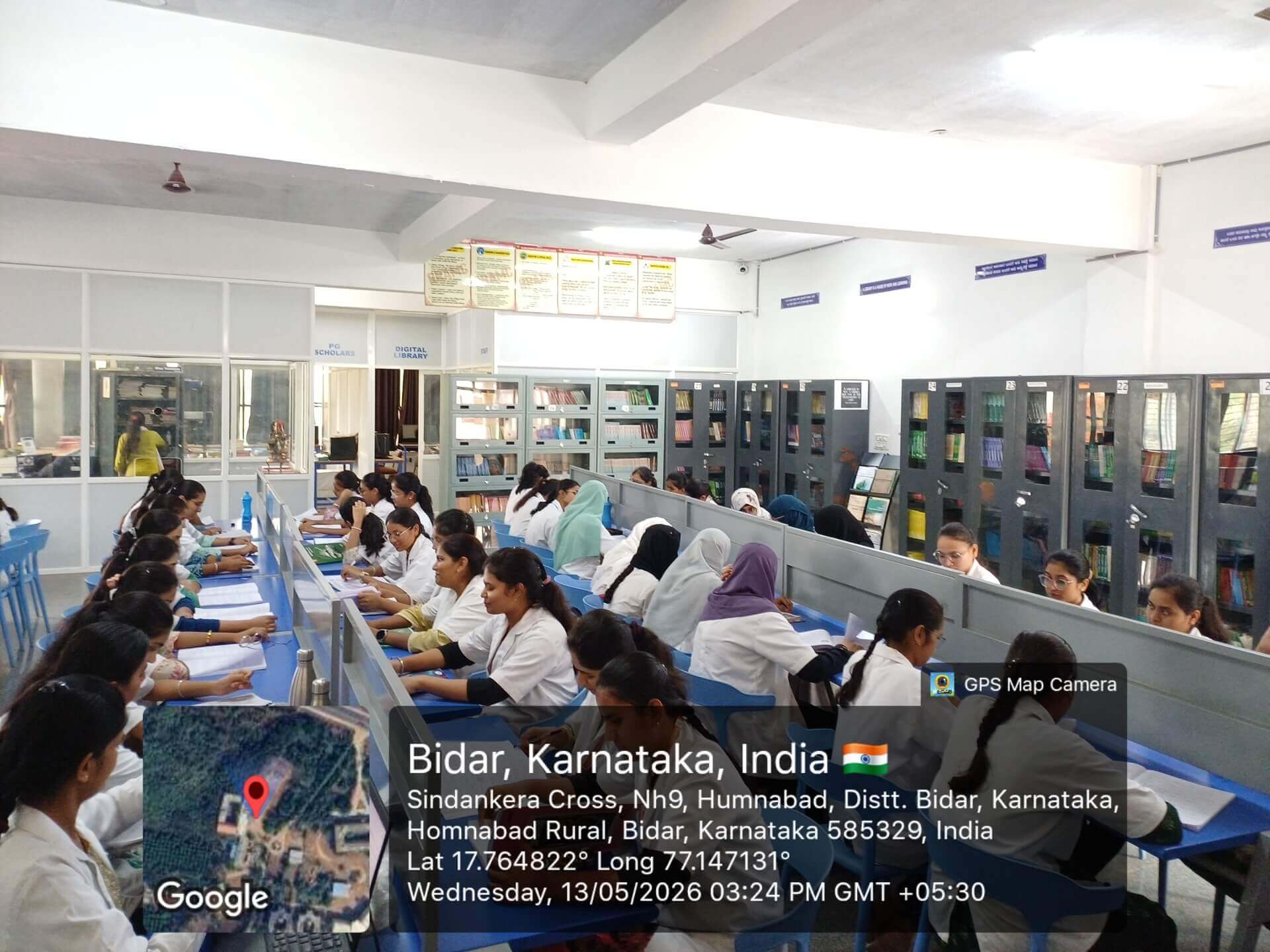
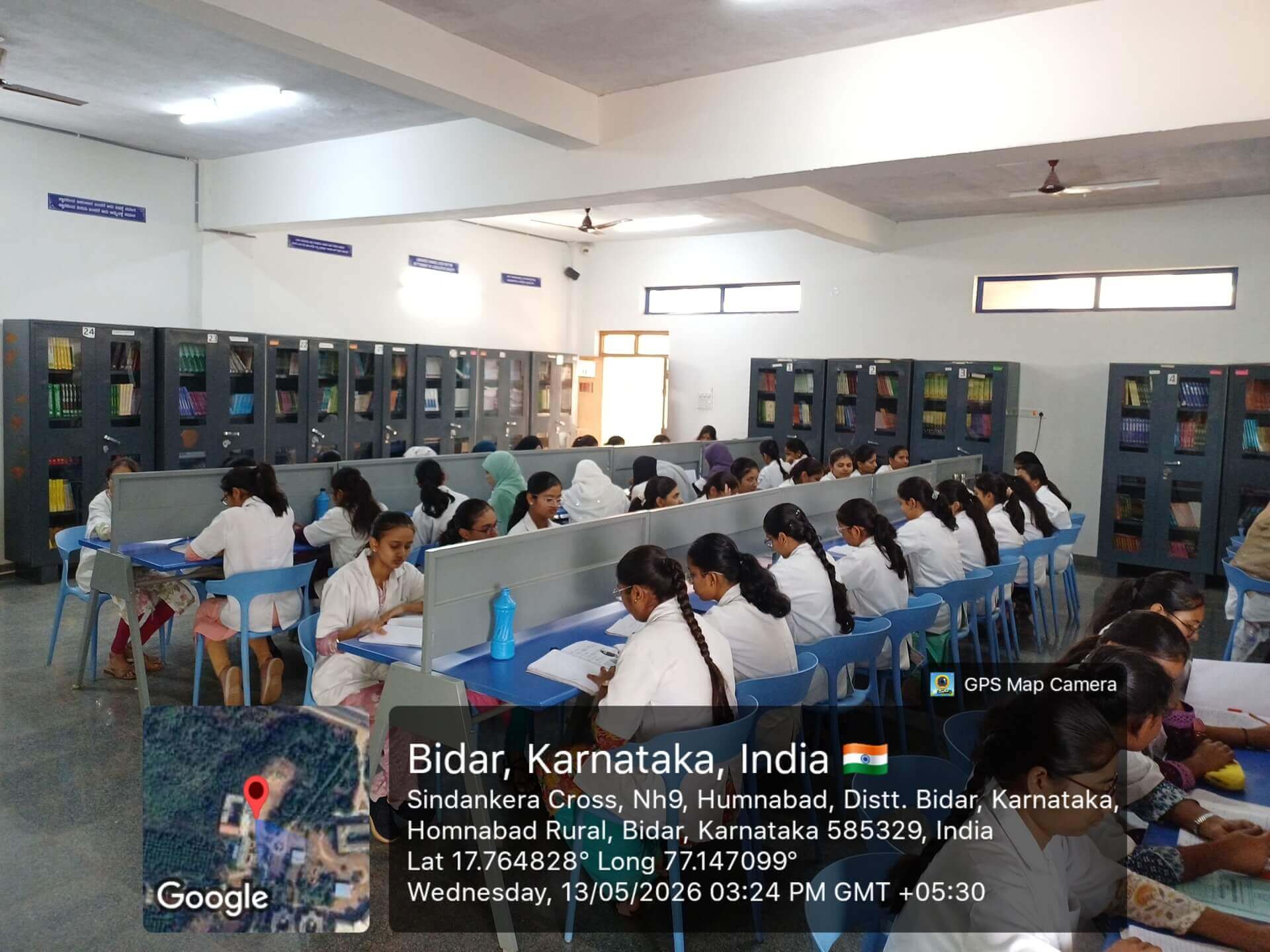
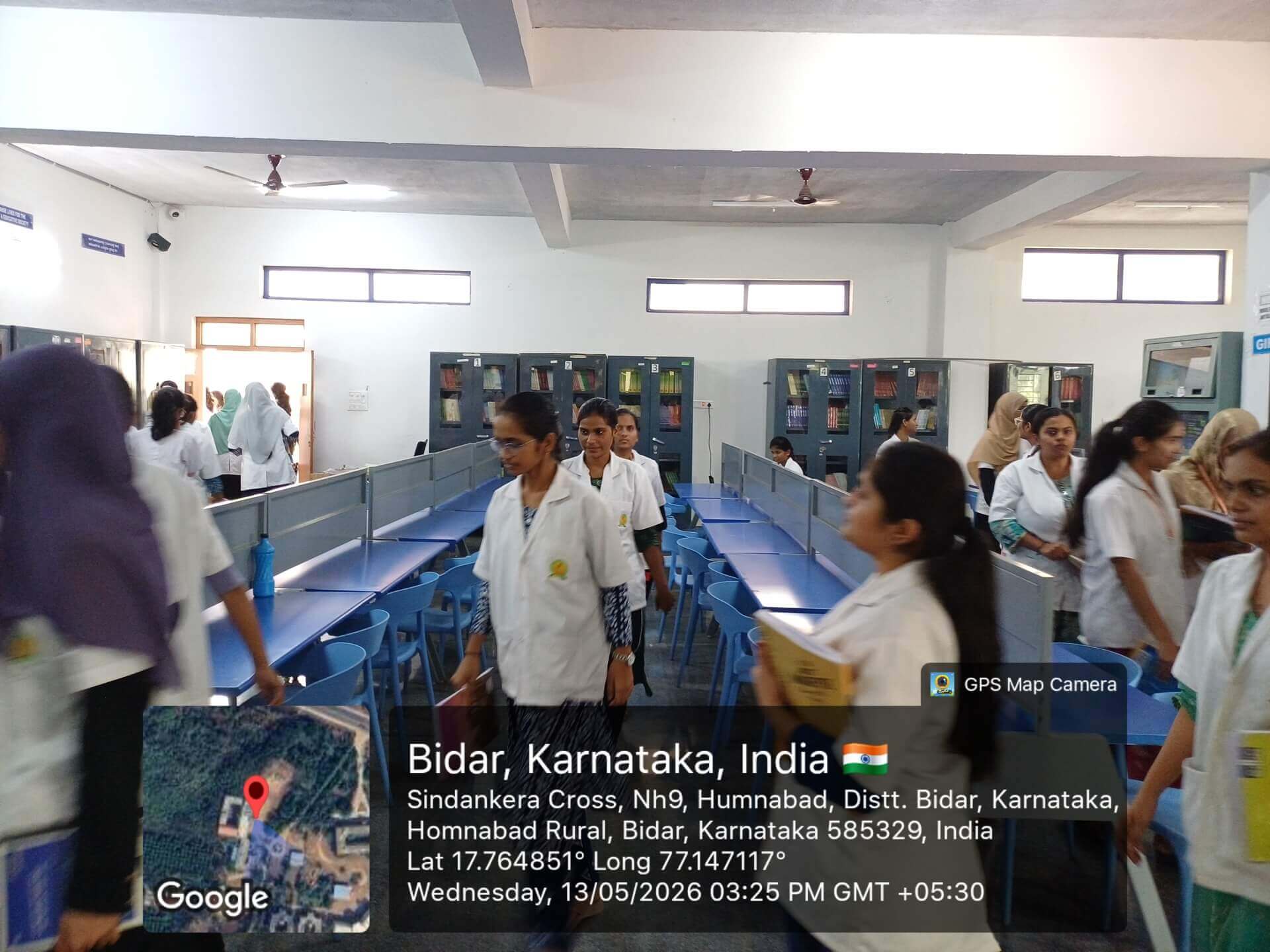
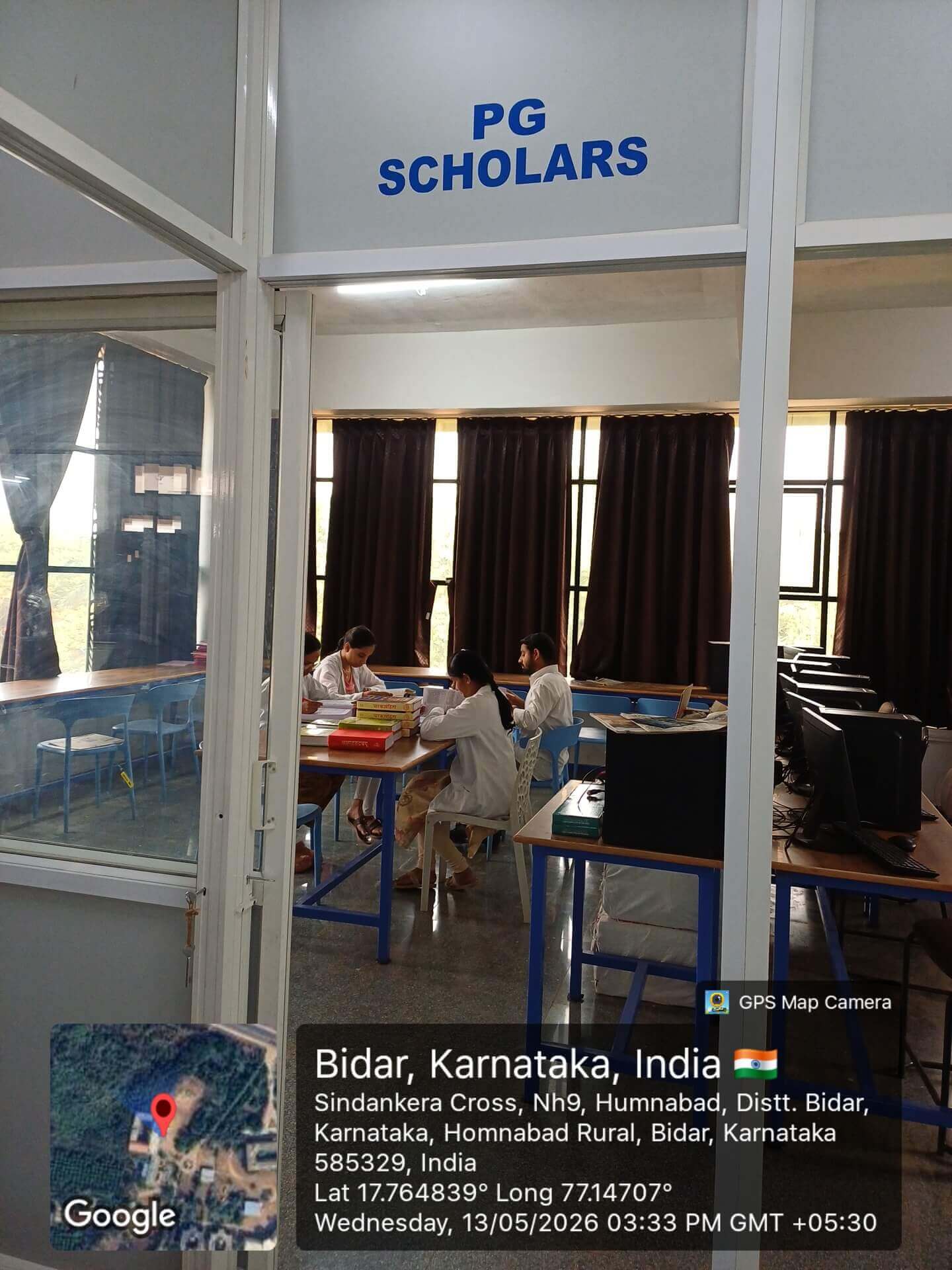
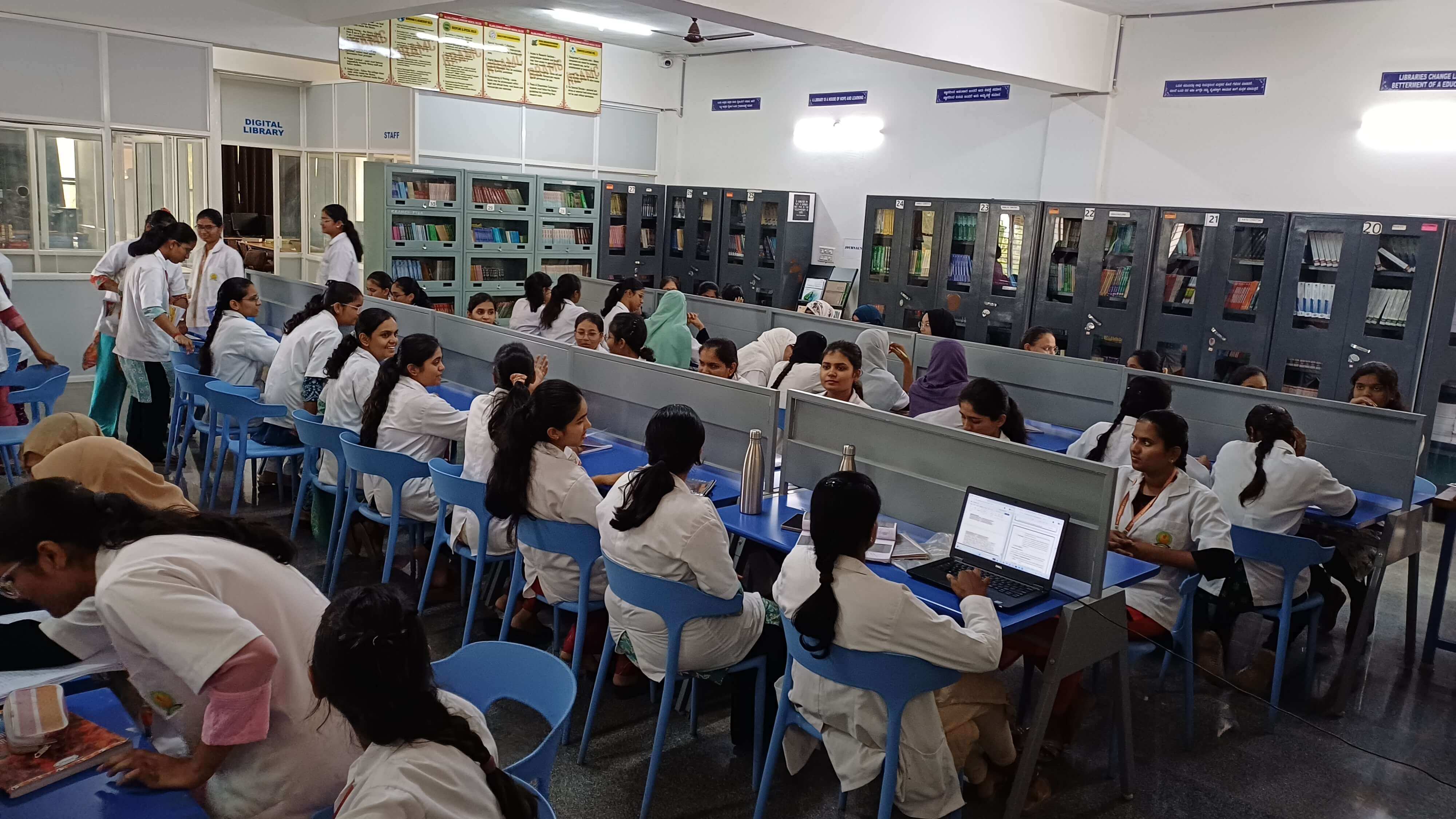
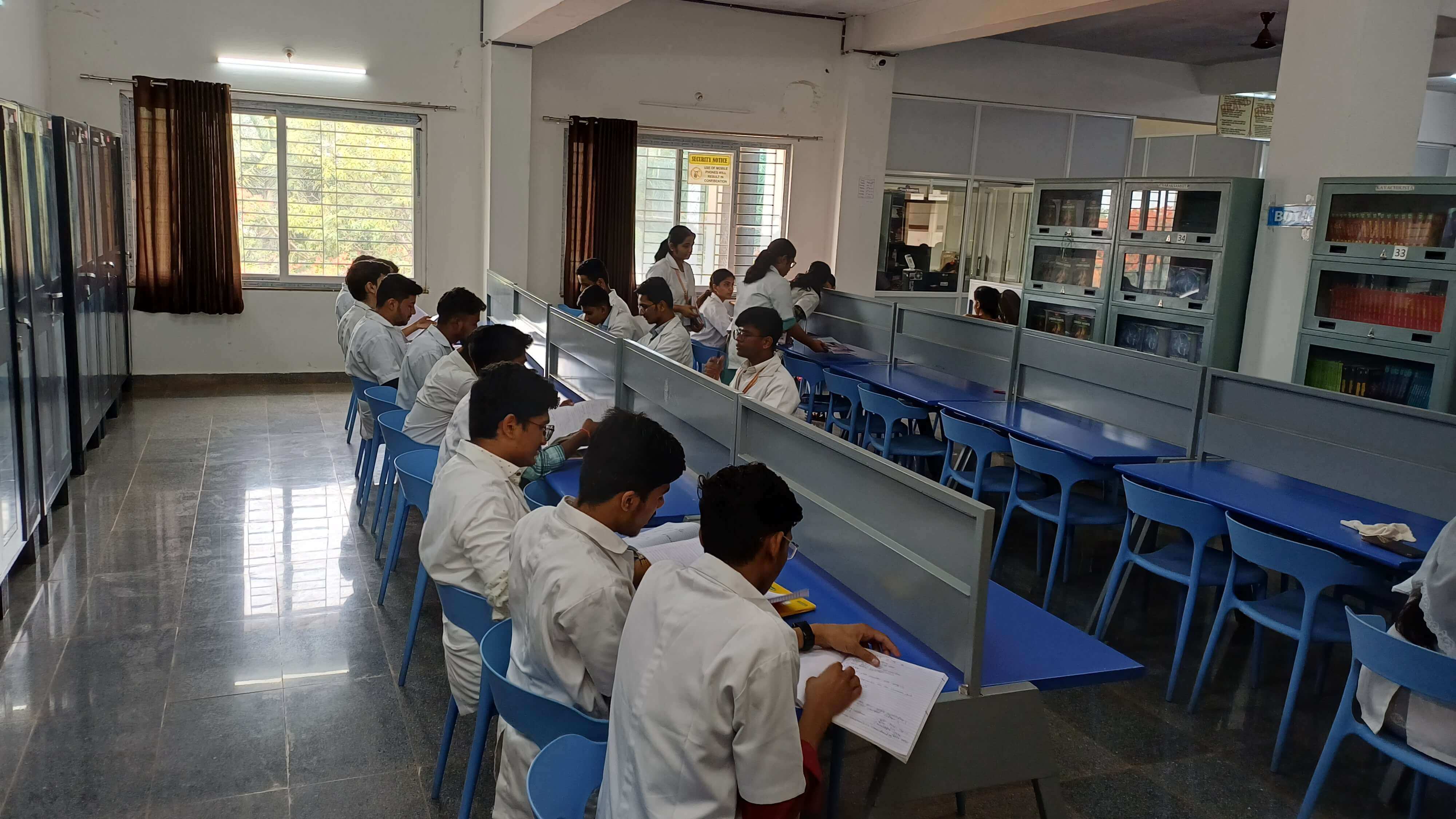
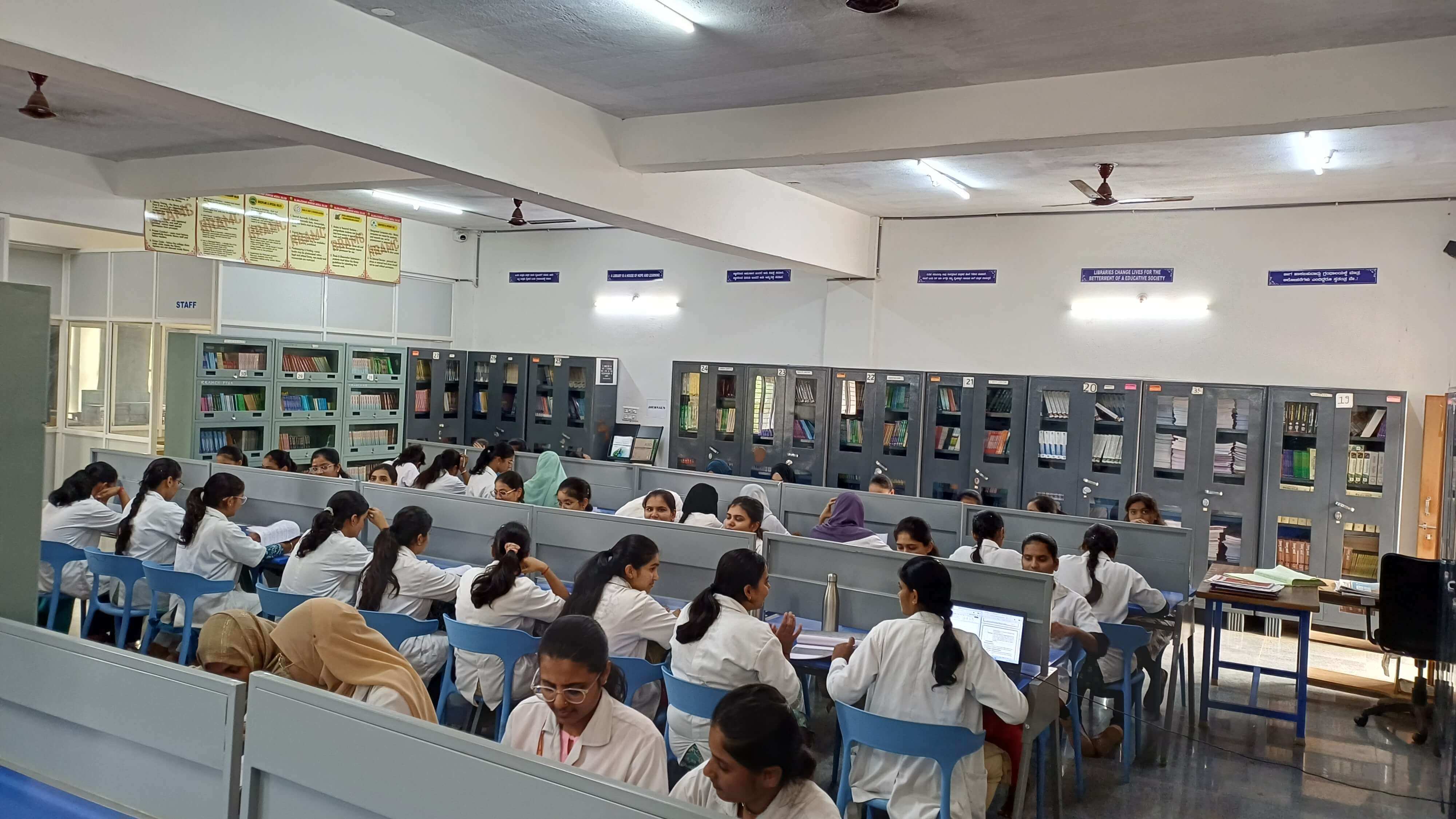
- Reading Spaces: Large, serene, and well-lit reading halls with high seating capacity (e.g., 100–150+ users) to facilitate focused study.
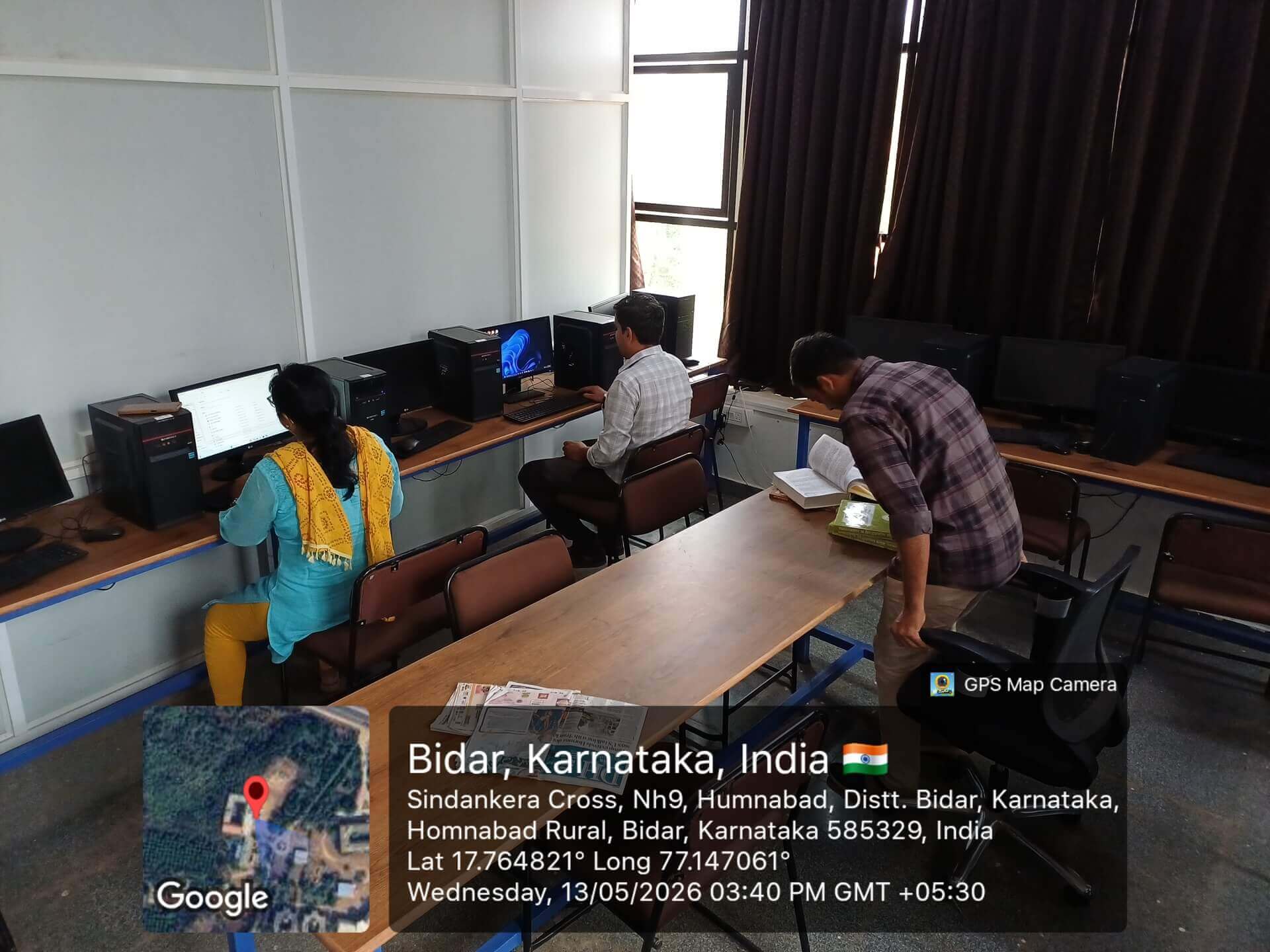
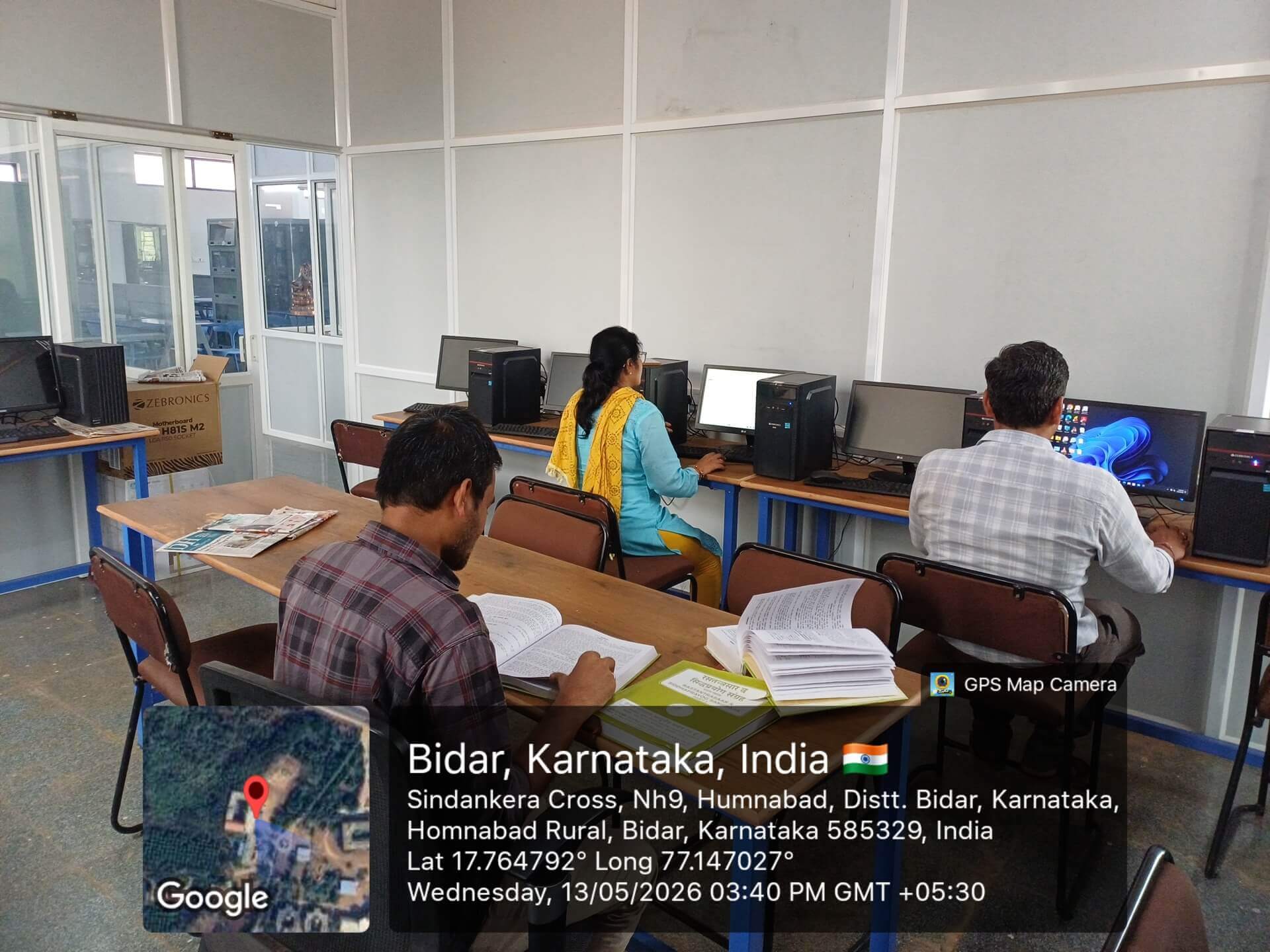
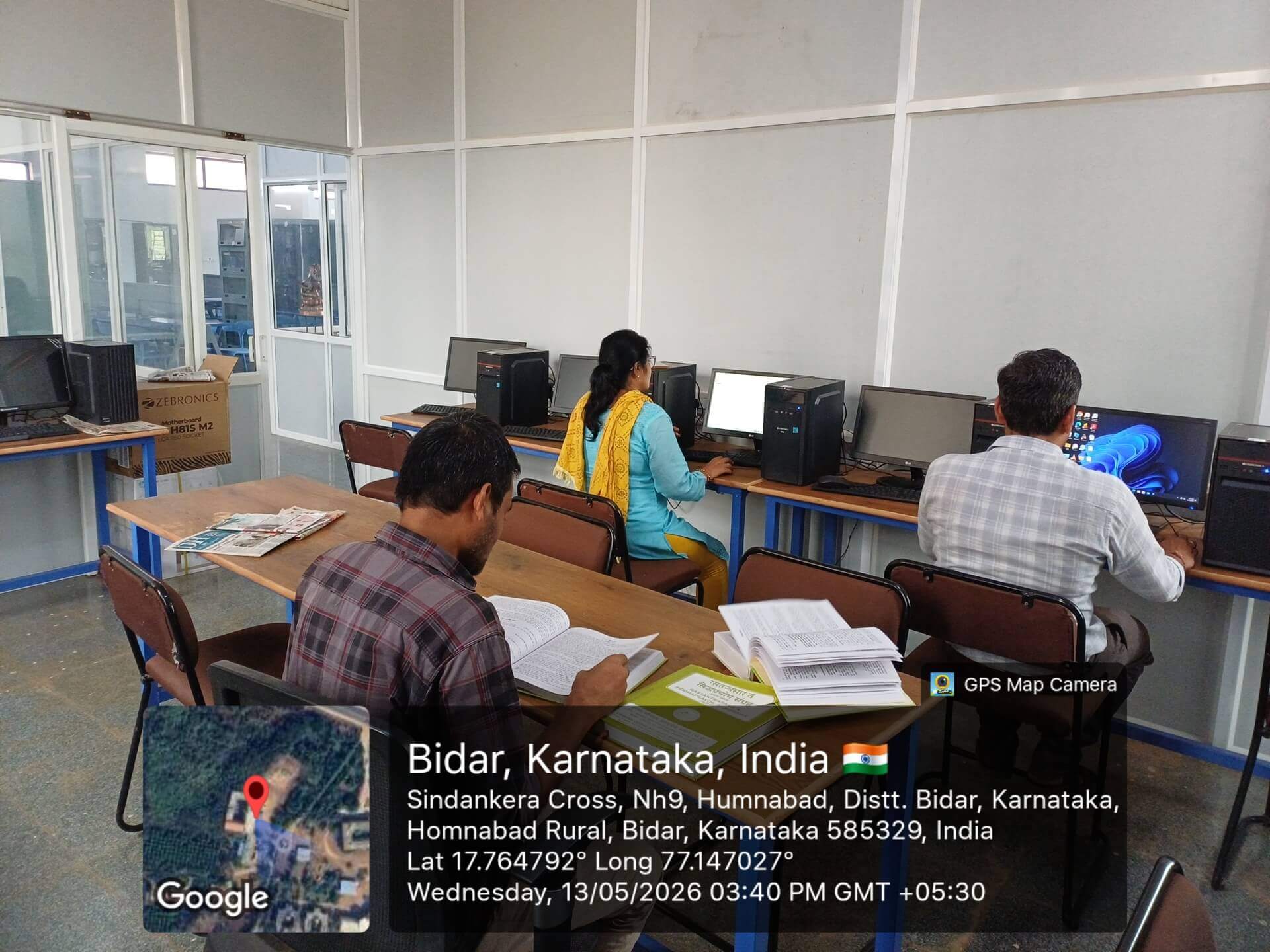
- Digital Library Section: Dedicated computer terminals with high-speed internet for accessing e-databases.
- Automation and Technology: Use of Library Management Software with barcode systems for easy circulation and Online Public Access Catalogue (OPAC) systems.
- Book Bank Scheme: Facilities that provide textbooks to students, particularly for those from economically disadvantaged backgrounds.
- Reprographic Facilities: Photocopying, printing, and scanning services.
4. Library Services
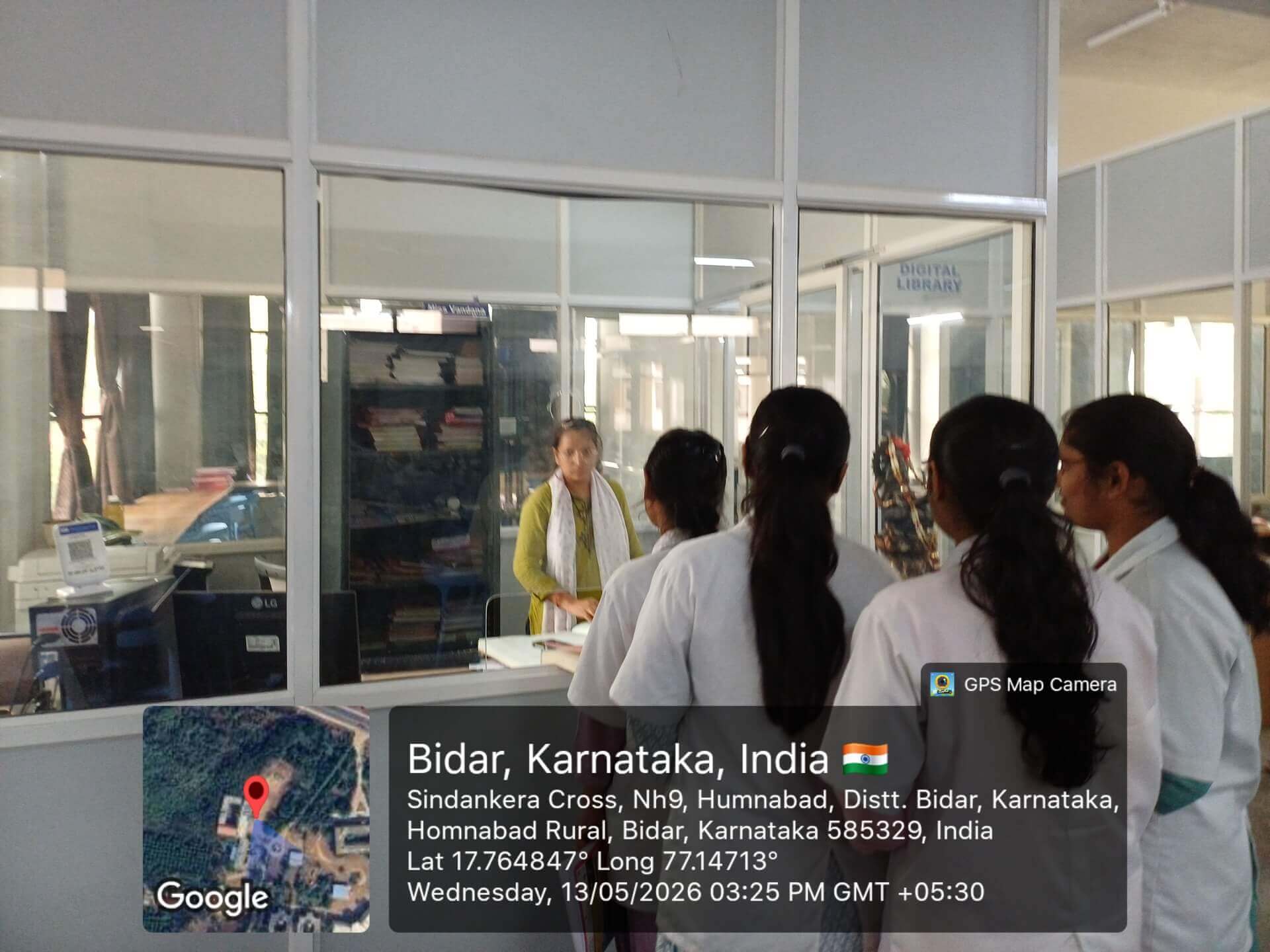
- Circulation Services: Issuing of books, journals, and reference materials.
- Reference & Information Services: Assistance by qualified librarians to help users locate specific information or research data.
- New Arrivals Display: Periodic display of new books and journals.
- Inter-Library Loan: Opportunities for accessing resources from other medical libraries.
5. Working Hours
🕘
Monday to Saturday | 9:00 AM – 8:00 PM
Timings cover full college working hours to accommodate all student schedules.
6. Summary of Key Standards
- According to institutional standards: Library Maintains a separate specialized space.
- Houses a minimum of 12000 to 12485+ books.
- Subscribes to 10+ journals, 145 printed Journals.
- Offers a comfortable, quiet atmosphere for deep study and contemplation of traditional knowledge.
- This comprehensive infrastructure ensures that the library not only supports passing examinations but also fosters a deep understanding of Ayurveda for future practitioners and researchers.